
Pest Inspections & Proofing
Pest management is not only about treating visible activity. We find how pests are getting in and what is drawing them there, then help you close the gaps for good.
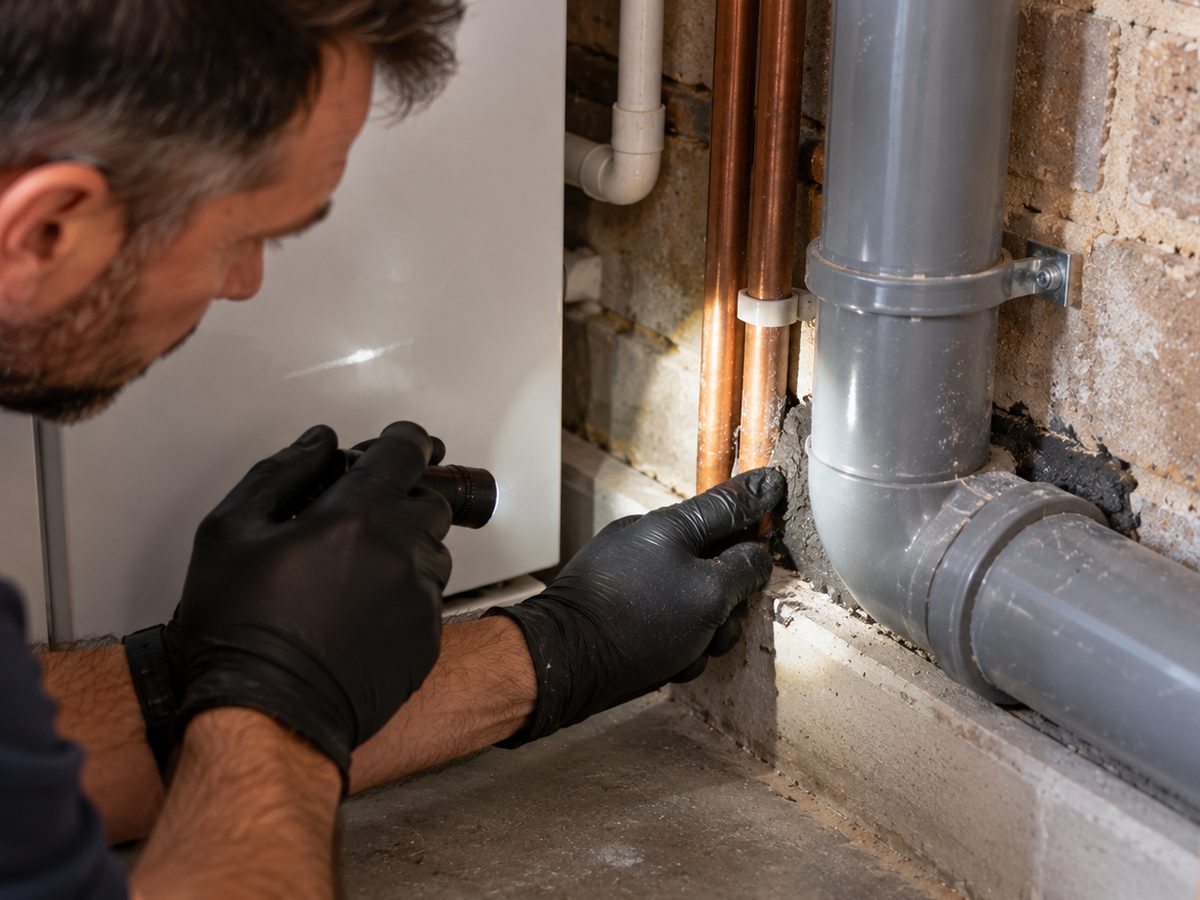
Treating activity without fixing the cause rarely lasts
If a mouse can get in through a gap behind the boiler, treating the kitchen will only help for so long. A proper inspection looks at the whole picture: the building, the surroundings and how the space is used.
An inspection can be booked on its own, as part of a treatment, or as the first step of an ongoing commercial or landlord plan.
What an inspection covers
Entry points
Gaps around pipes, cables and vents, damaged air bricks, door thresholds and roof-line openings.
Structural gaps
Voids behind kitchen units, boxing-in, floor and ceiling voids, and gaps between properties.
Signs of activity
Droppings, gnawing, smear marks, nesting material, shed skins and other evidence.
Environmental factors
Food storage, waste handling, moisture, clutter and outside conditions such as drains and vegetation.
Monitoring
Where useful, monitoring points to confirm activity levels and measure progress.
Recommendations
A clear list of proofing, hygiene and maintenance actions, in order of priority.
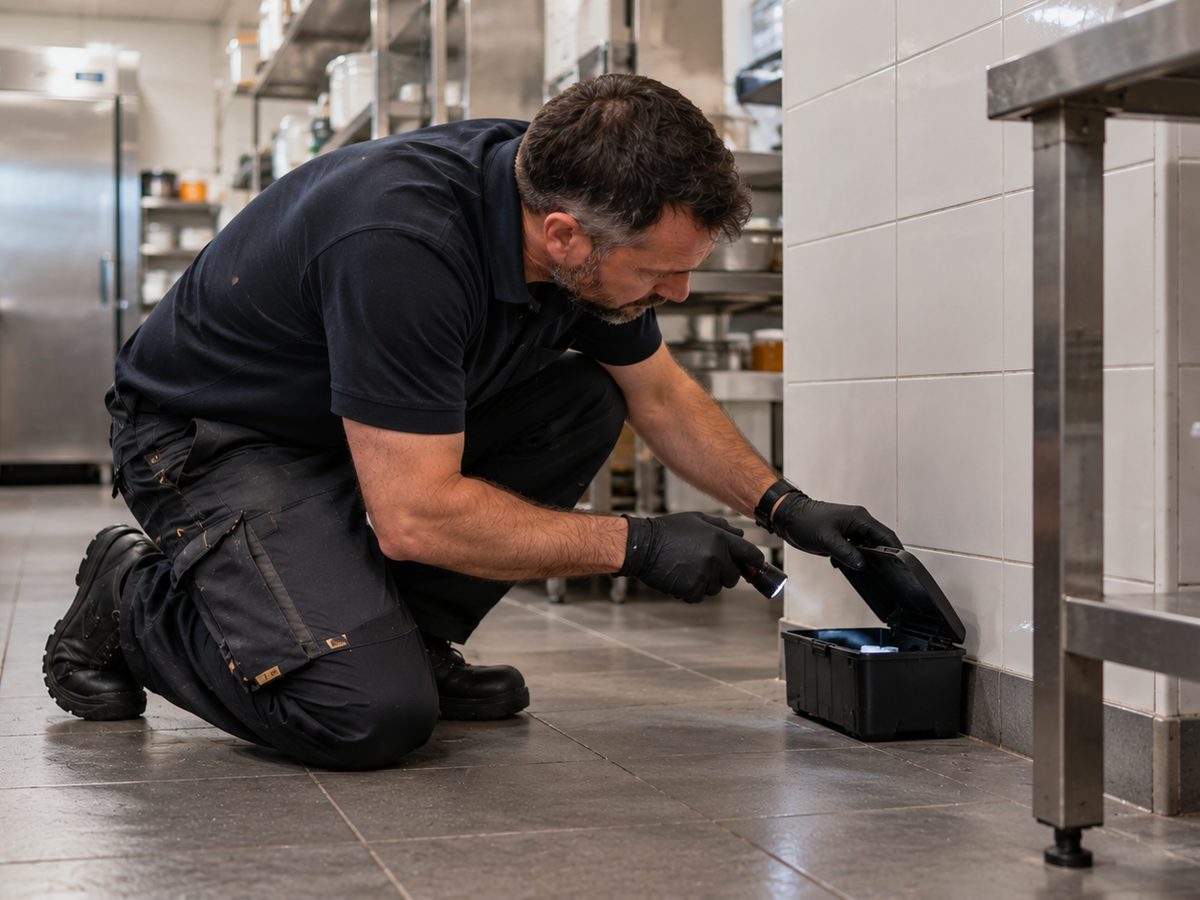
Practical pest proofing
Once the entry points are known, the right proofing makes it much harder for pests to get back in. We can recommend the work or, where agreed, carry it out.
- Sealing gaps around pipes, cables and service entries
- Mesh and covers for vents and air bricks
- Bristle strips and threshold proofing for doors
- Advice on repairs that need a builder or other trade
Prevention recommendations that make a difference
Small changes often have the biggest effect. We keep our advice specific and realistic for your home or business.
Food & storage
Sealed containers, off-floor storage and stock rotation.
Waste
Lidded bins, bin store management and collection routines.
Moisture
Leaks, condensation and damp areas that attract certain pests.
Maintenance
Routine checks of proofing, vents and building fabric.

Book a pest inspection
Whether you have an active problem or want to prevent one, an inspection is the right place to start.